Disposable Vape Law in Australia: Local Rules — The buyer checklist
Direct answer
National law sets the floor for Disposable Vape in Australia, and municipalities often set a higher one. Local rules usually cover licensing, zoning near schools, public-space use and display restrictions, and they differ from one city to the next. Distance-from-school rules are the most common municipal restriction on vape retail premises. Market-specific artwork, warning language and nicotine limits are the three items that most often force a reprint. A SKU that is compliant in one market is frequently non-compliant in the next, artwork included. Enforcement patterns matter as much as statute text, because the same rule can be applied strictly in one region and loosely in another.
For Australia, the rule on paper and the rule at the border are not always the same thing. The gap is usually documentation: artwork language, notification numbers and duty treatment.
Municipal and regional variation
In Australia, this is what an inspector asks for before anything else. A licence valid nationally does not authorise a shop in a municipality that requires its own permit, and zoning rules can make an otherwise compliant location unusable. For multi-site retail, the practical approach is a location checklist that runs before a lease is signed, not after fit-out. Online sellers face a similar question with delivery restrictions in specific areas.
- Keep a per-location compliance file
- Re-check after local elections
- Check municipal licensing before signing a lease
- Keep the batch record with the shipping file
- Log every enforcement letter and reply date
The buyer checklist
Read this as the practical version of the Australia rule. A checklist is only useful if every line can be answered yes or no. For hardware that means a model number, a test report, a packaging spec and a stated lead time. Anything that cannot be documented should be treated as unverified, however convincing the sample feels in the hand.
- Match the model number on the box to the report
- Confirm packaging language and warning text
- Get lead time and MOQ in writing
The figures that matter
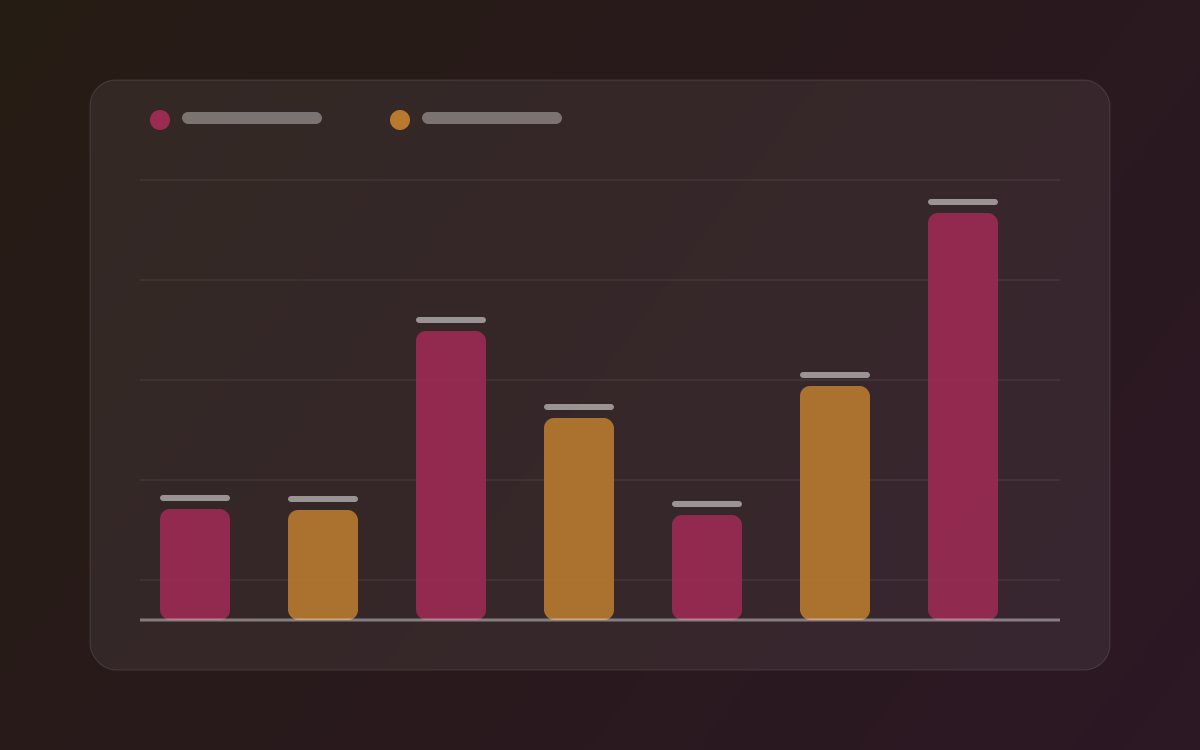
In Australia, this is the step where shipments most often stall. These are the measurements that show up in audits and returns analysis. Where a range is wide, the difference is usually explained by power setting and charging habit.
| Requirement | Who it applies to | Typical form | Consequence of missing it |
|---|---|---|---|
| Packaging and warnings | Retail carton and device | Local language, prescribed text | Reprint and delay |
| Excise and tax | Importer or distributor | Registration plus stamps | Seizure and back-duty |
| Local notification | Importer into Australia | Number held before first sale | Withdrawal from sale |
| Product notification | Manufacturer or importer | Notification number before sale | Withdrawal from sale |
| Nicotine ceiling | Liquid strength | 20 mg/ml in most TPD markets | Refusal at border |
Step by step
- Read the filling instructions once
- Prime the coil and wait
- Charge with a 5V adapter
- Keep the device out of hot cars
- Replace consumables on a schedule rather than on failure
Buyer notes
Customs questions usually arrive before retail questions, so the import file should be complete before the first carton leaves. Enforcement patterns matter as much as statute text, because the same rule can be applied strictly in one region and loosely in another. A SKU that is compliant in one market is frequently non-compliant in the next, artwork included.
Questions people ask
What decides local rules for disposable vape law in australia?
Distance-from-school rules are the most common municipal restriction on vape retail premises. Check municipal licensing before signing a lease.
Are disposable devices treated differently from refillable ones?
In several markets, yes. Some jurisdictions ban single-use devices outright while allowing refillable systems, which makes format choice a compliance decision as much as a commercial one.
What is a realistic lead time for compliant stock?
Plan 15-30 days for production plus transit, and add time for artwork approval and any registration step. Rushed artwork is the most common cause of a customs hold.
Who enforces the rules in practice?
Usually a combination of the national regulator, customs, local trading standards and, for online sales, the platform itself. Enforcement intensity varies by region and by product category.
What happens to stock that does not comply?
Typical outcomes are seizure at the border, refusal of entry, recall from retail, or a fine. The exact penalty depends on the market and on whether the breach is treated as administrative or criminal.
Related guides
- Local Rules ExplainedLocal Rules, with the figures and documents that decide it.
- Local Rules in NumbersLocal Rules, with the figures and documents that decide it.
- Returns & Rights Common MistakesReturns & Rights, with the figures and documents that decide it.
- National Framework Field NotesNational Framework, with the figures and documents that decide it.
- Age Limits Cost BreakdownAge Limits, with the figures and documents that decide it.
- Retail Licensing 2026 UpdateRetail Licensing, with the figures and documents that decide it.
Regulatory and technical details on this page are a practical summary for buyers and operators, current as of 2026. Rules, limits and standards change; confirm the position with the relevant authority and with your supplier's documentation before shipping or selling.